
Budget Travel Tips for Europe Without Ruining Your Trip
Europe looks expensive from the outside, and I used to think the same thing before planning my trip. But after getting some simple advice from my uncle, who travels a lot, I realized that traveling there is not just about having a big budget…it’s more about making smart choices.
Europe always looks like one of those places that’s super expensive to travel to, and honestly, I used to think the same thing too. Before planning anything, I always assumed that even basic things like food, transport, and staying somewhere decent would drain my budget really fast. But that changed when my uncle, who travels a lot, shared some really simple tips with me.
He explained that most people don’t actually overspend because Europe is expensive; they overspend because they don’t know how to spend smartly. I tried following the same tips he gave me, and they honestly work in real life. So in this blog, I’m sharing those simple tricks around food, transport, stays, and smart spending that can make your European trip a lot easier on the wallet.
How to Save Money While Traveling in Europe
Here are the three main tips he told me, which I am about to share with you:
Food: Eat Smart, Not Expensive
One of the first things my uncle told me about Europe was that food can quietly eat up your budget if you’re not careful. He said many travelers don’t even realize how much they’re spending just because they keep eating near famous tourist spots where everything is overpriced.
He actually shared a small story from one of his trips. In one city, he and a friend kept eating at cafés right next to popular attractions, thinking it was normal pricing. After a couple of days, they realized they were spending almost double compared to what locals were paying just a few streets away.
What he suggested instead:
- Buy simple meals from local bakeries or supermarkets, they are fresh and much cheaper
- Try “menu of the day” lunch deals, which are very common in Europe and give full meals at good prices
- Walk a bit away from tourist streets and eat where locals are sitting
- Street food markets are often not only cheaper but also more authentic
- Keep small snacks with you so you don’t end up buying expensive food when you’re really hungry
Transport: Don’t Overpay for Moving Around
My uncle also told me that transport is another place where people lose money without noticing. He said when he first started traveling, he used taxis or bought tickets at the last minute just for convenience, and that’s where his budget used to get messed up.
He once mentioned a trip where he kept using taxis for short distances just because it felt easy. Later, he realized he could have used the same money for several days of public transport instead.
What he learned over time:
- Public transport passes (daily or weekly) are usually the cheapest option in most cities
- Booking trains or flights early can save a lot of money
- In many European cities, walking is not just free but also the best way to explore
- Budget travel apps for buses and intercity routes can be really helpful
- Airport taxis are almost always overpriced, so it’s better to avoid them
Accommodation: Stay Smart, Not Fancy
According to him, accommodation is where most people unknowingly overspend just because they want to stay “in the center.” He told me that location sounds important, but sometimes it’s not worth the extra cost.
He shared that during one of his trips, he stayed right in the middle of a popular city area. It was convenient, but the price difference compared to nearby areas was huge, and the experience wasn’t that different.
His advice was simple:
- Stay slightly outside the city center to get much better prices
- Hostels or budget hotels can be very clean and comfortable if you choose carefully
- Airbnb works well for longer stays and often feels more local
- Always book early, especially during peak tourist seasons
- Staying near metro or train lines is more useful than staying in expensive central zones
Cheap vs Smart Spending
One thing he really emphasized was that not all cheap choices are actually good choices. Sometimes trying to save too much ends up making the trip more stressful or even more expensive in the long run.
He told me that real travel experience is not about picking the cheapest thing every time, but about choosing what makes your trip smoother.
What he taught me:
- Don’t just pick the cheapest option without checking comfort or location
- Saving on food is fine, but don’t make yourself travel far just to eat cheaply
- A very cheap hotel far from the city can end up costing more in transport
- It’s better to spend a little more if it saves time and energy
- The goal is to balance, enjoy the trip while still staying within budget
After my uncle shared these tips with me, I honestly didn’t expect much at first. I thought traveling in Europe would still be expensive no matter what. But when I actually started planning and later used these ideas, I realized how much of a difference small choices can make.From my experience, these tips really do work. So if you’re planning a trip to Europe, you can definitely use them too
Stay tuned to FashFits for more information on traveling ideas.
RELATED BLOGS
-

Can an IQAir Purifier Make Sense When Dust Is Not Your Biggest Problem
Dust is only one part of indoor air quality. The HealthPro Plus XE becomes more relevant when smoke odors gases and fine particles enter the picture.View -

Expandable Travel Backpacks That Make One Bag Travel Easier
One backpack can cover the commute and the next flight. These four Knack Bags options show how choosing the right capacity can simplify both.View -

The Hidden Rules of Luxury Hotels Nobody Tells You
Luxury hotels may look similar on the outside, but the experience inside can feel very different depending on how you understand the environment. Many travelers don’t realize that things like tipping habits, staff behavior, and simple etiquette rules can quietly shape how they are treated during their stay. So we are going to share all that in here.View -
Why Some Countries Feel Cheaper or More Expensive
Why do some countries feel cheap while others feel expensive, even when the real prices tell a different story?. Some places are seen as budget-friendly, while others are assumed to be extremely expensive, and here is why.View -

Why Coastal Cities Make You Feel Happier (Science Behind Beach Destinations
When I started planning my work-and-travel trip after saving up for a long time, I visited some of the best cities around. While doing my research, I noticed something really interesting. These coastal cities kept showing up as places where people just seemed happier and more relaxed in their daily lives. So I'll be sharing all of that with you.View -

Why Lopesan Hotels Are Perfect for a Luxury Beach Escape in Spain
Spain is one of those destinations where the experience depends a lot on where you stay. Lopesan Hotel Group is designed to make that experience simple, comfortable, and completely hassle-free from the moment you arrive.View -
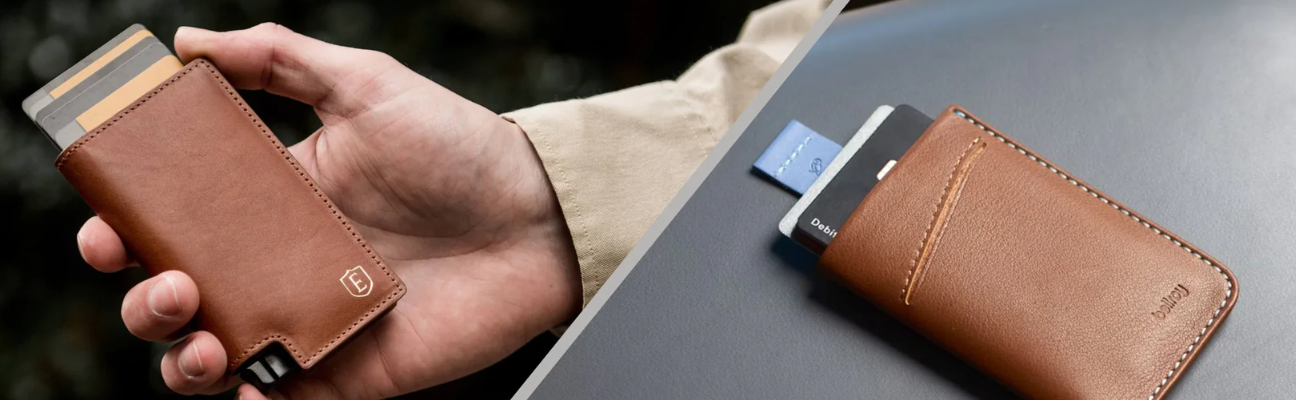
Ekster vs Traditional Wallets: Which One Wins?
Wallets are something we use every single day, but most people never really think about upgrading them. Some still carry traditional wallets that are bulky and overstuffed, while newer options like the Ekster Wallet are designed to be slimmer, faster, and more convenient. In this comparison, we’ll break down both styles in a simple way so you can decide which one actually fits your lifestyle better.View -

Why Travel eSIMs Are Becoming Popular
Traveling to a new country is exciting, but staying connected can often be stressful because of expensive roaming charges or the hassle of buying a local SIM card. This is where travel eSIM services like SimCorner come in. It lets you get mobile data instantly through a simple QR code, making it much easier to stay online without switching physical SIM cards or dealing with complicated setups.View