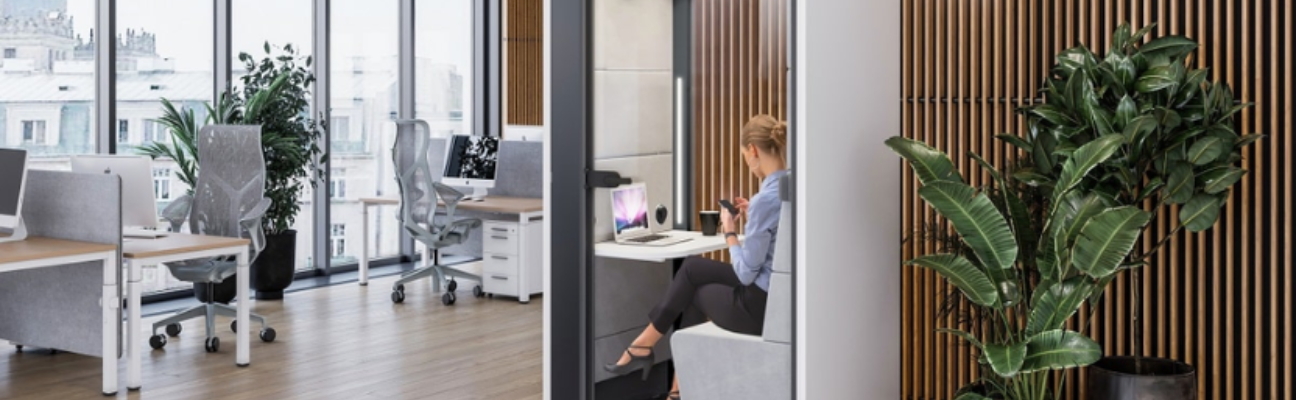
Designing a 'Third Space' for Yourself to Recharge Outside of Work and Home
Learn how having a third space can improve your work-life balance and overall well-being.
Life today feels like an endless shuffle between home and work, with no clear separation between the two. Even before remote work became mainstream, finding time to recharge outside these two dominant spaces was a challenge. Now, with emails creeping into dinner time and work calls interrupting weekends, the concept of a working lifestyle has shifted in ways no one could have predicted.
People talk about achieving work life balance, but what does that actually mean? For most, it’s about managing time efficiently between professional and personal responsibilities. But there’s something crucial missing in this equation: the third space, a place separate from home and work that allows for true relaxation, creativity, and connection.
This isn’t just a trendy self-care concept. Research suggests that having a designated third space can boost mental clarity, reduce stress, and improve overall well-being. Whether it’s a local café, a yoga studio, a public library, or even an online creative community, a third space provides something neither home nor work can, mental separation and emotional relief.
What Is a ‘Third Space’ and Why Does It Matter?
The term the third space was first introduced by sociologist Ray Oldenburg, who described it as a neutral environment where people could interact, socialize, and engage in activities that weren’t tied to work or home life. Traditionally, this referred to places like coffee shops, community centers, and public parks, places where people could gather and unwind.
But the modern version of third space therapy extends beyond physical locations. A third space can be anywhere that helps separate work from personal life, offering a much-needed mental shift. It might be a gym, a hiking trail, a cozy bookstore, or even a private creative studio. It’s not about where the space is but how it makes you feel.
Psychologists have long emphasized the importance of environmental change for cognitive health. Sticking to the same routine between home and work can lead to mental fatigue, lack of motivation, and a feeling of being stuck in autopilot mode. This is why creating a third space is so essential, it allows the brain to reset, fostering creativity, emotional balance, and a sense of renewal.
The Science Behind the Third Space and Mental Clarity
Our brains thrive on variety. When the environment remains unchanged, the brain operates in the same patterns, making it harder to think creatively or feel energized. Neuroscience shows that shifting locations and engaging in different activities help activate new neural pathways, allowing for better problem-solving, improved focus, and enhanced emotional well-being.
Studies on work life stress suggest that people who integrate non-work-related spaces into their daily routines experience lower levels of anxiety and burnout. A third space serves as a mental buffer between responsibilities, giving the brain time to recover from high-stress situations.
Beyond productivity, having a third space contributes to higher life satisfaction. Engaging in activities outside of work and home reduces the risk of burnout while strengthening social connections and self-identity. It’s why people who invest in a third space, whether it’s a creative hobby, a fitness routine, or a quiet retreat, report greater overall happiness and resilience.
Beyoncé’s Take on Work-Life Balance and the Power of a Third Space
If there’s one person who exemplifies Beyoncé work-life balance, it’s Beyoncé herself. Balancing an empire of music, fashion, and entrepreneurship while maintaining personal well-being isn’t just about time management, it’s about knowing when to step back and recharge.
Beyoncé has spoken about the importance of creating intentional breaks in her routine. Whether it’s through travel, creative retreats, or moments of solitude, she prioritizes time outside of work and home to keep her creativity and energy levels high.
This approach isn’t just for celebrities. Many high-performing professionals embrace the idea of a third space to maintain work life balance explained in a way that actually works. It’s about setting boundaries, choosing environments that foster inspiration, and knowing when to disconnect from work responsibilities to protect personal well-being.
For the average person, this doesn’t mean flying off to an exclusive retreat, it means identifying small but intentional third spaces that provide the same sense of rejuvenation.
How to Find Your Own Third Space
Finding a third space isn’t about adding another responsibility to an already packed schedule, it’s about carving out time for yourself in a way that feels restorative, not exhausting.
For some, this could be a local coffee shop, a favorite bookstore, or a gym where they can reset after work. For others, it might be a quiet walking trail, a pottery class, or even a virtual space where they can connect with like-minded people without the demands of professional life.
What matters most is that the third space serves you. It should be a place where there are no obligations, no deadlines, and no pressure to be “productive”, just an opportunity to unwind and recharge.
Third Spaces and the Future of Worklife
The conversation around work life balance is evolving, and third spaces are becoming a significant part of this shift. With more people working remotely, the demand for flexible work environments, co-working spaces, and wellness hubs is on the rise.
Forward-thinking companies are also recognizing this need. Some employers are investing in third space therapy solutions, offering access to wellness programs, creative spaces, and off-site retreats to help employees disconnect from work and engage in personal enrichment.
This shift is redefining the working lifestyle, showing that true productivity doesn’t come from endless hours behind a screen but from a well-balanced life that includes time for personal growth, social connection, and mental restoration.
The idea of balance is about creating a rhythm that sustains long-term well-being. The third space isn’t a luxury but a necessity for maintaining creativity, emotional health, and personal fulfillment. A coffee shop, an art studio, a nature trail, whatever it looks like, the third space serves as a mental reset button that prevents burnout and enhances quality of life. With modern work demands pushing people to be “always on,” reclaiming a space for yourself is more important than ever. Making time for a third space is essential. It’s about recognizing that work life should be about more than just productivity. It should be about living fully, recharging intentionally, and designing a lifestyle that works for you.
RELATED BLOGS
-

BARABAS Men's Clothing Review: Styles, Quality and Deals
Discover BARABAS men's clothing, including statement shirts, colorful suits, casual jeans, and stylish accessories. Explore popular styles, get practical shopping tips, and find available coupons and deals to save on your next purchase.View -

SKIMS Review: Best Shapewear, Bras and Clothing
Explore SKIMS shapewear, bras, underwear, loungewear, and everyday clothing. Discover popular product picks, learn how to choose the right fit, and find practical shopping tips to help you save on wardrobe essentials.View -

Top Ralph Lauren Polo Shirt Collection Every Man Should Consider
A good polo can instantly pull an outfit together without making you look like you tried too hard. A Ralph Lauren polo shirt brings that easy balance of comfort, classic style, and everyday appeal.View -

How Theorie.nl Makes it Easy to Ace the Driving Theory Exam? An In-depth Guide
Getting a Dutch license is hard. The official test has high fail rates because learners rely on thick books or try guessing their way through the exam. Learn how Theorie NL simplifies the process through interactive learning so you can clear the driving theory exam.View -
Why Choose Giuseppe Zanotti For Your Next Pair Of Luxury Shoes?
When it comes to luxury footwear, the right pair can instantly elevate your entire look. Giuseppe Zanotti combines bold designs, Italian craftsmanship, and timeless style to create shoes that stand out. Whether you’re dressing for a special occasion or upgrading your everyday wardrobe, here’s why Giuseppe Zanotti shoes may be worth considering.View -

How to Use the Trimmer For a Comfortable Trim Without Going Completely Bare
Get a close neat finish without guessing your way through sensitive areas. Learn how length, pressure and preparation shape the result.View -

NFL Backpacks Eagles Fans Will Reach for Every Day
Eagles gear earns its place when you can actually use it. These five backpacks bring team spirit into commutes, school days, trips, and game day plans.View -

Best Women’s Striped Button Down Shirts for Timeless Wardrobe Style
A great shirt can make everyday dressing feel effortless without losing its timeless charm. Women’s striped button down shirts bring an easy, polished touch to outfits while giving you plenty of ways to make the look your own.View