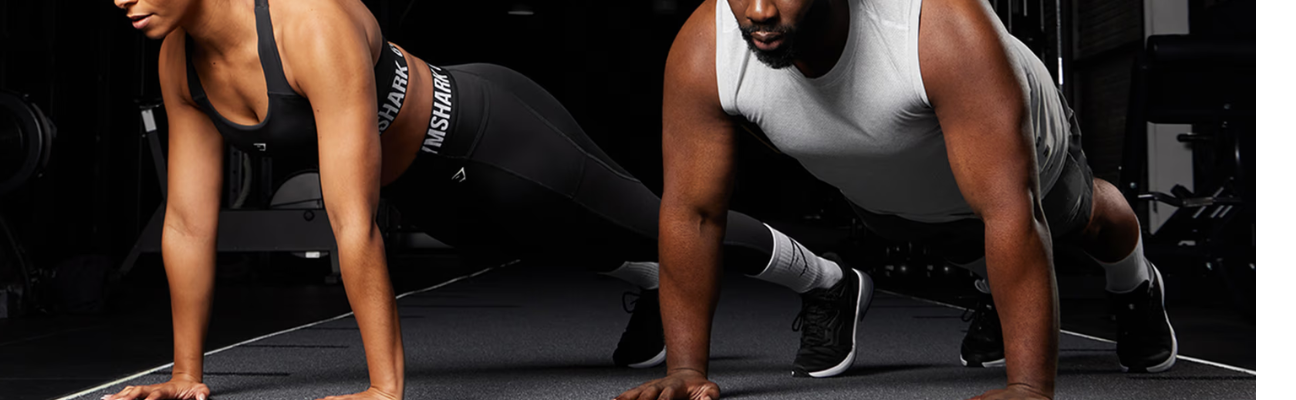
What Happens If You Do Push-Ups Every Day
Push-ups are one of the simplest exercises you can do anywhere, but doing them every day can bring both benefits and challenges. Let’s understand what really happens to your body over time.
Push-ups are one of the easiest exercises you can do anywhere; you don’t need a gym, equipment, or anything fancy. But many people wonder what actually happens if you do push-ups every single day. The simple answer is that your body slowly starts to change over time. You become stronger, more active, and your upper body starts to get more fit. At the beginning, it might feel a bit hard, and your muscles may feel sore, but that’s completely normal.
As you keep going regularly, your body gets used to it, and the exercise starts feeling easier. Over time, you may notice better strength, improved stamina, and more control in your movements. However, the results depend on how consistent you are and how well you take care of your body with rest, food, and proper form.
What Push-Ups Do to Your Body
Push-ups are a full-body upper exercise that mainly targets several important muscles at the same time. When you do a push-up, your chest muscles are doing most of the pushing work. This helps you build a stronger and broader upper body over time. Your shoulder muscles also get active because they support your body as you lower and lift yourself. At the same time, your triceps (back of your arms) work hard to help you push your body back up.
But it doesn’t stop there…your core muscles (stomach and lower back area) stay tight the whole time to keep your body straight and balanced. This is why push-ups also improve your body control and stability.
They also slowly help improve:
- Your posture (you stand and sit more straight)
- Your real-life strength (like pushing, lifting, carrying things)
- Your overall body control and balance
First Week
If you’re new to push-ups, the first week usually feels quite tough. Your muscles are not used to this kind of pressure, so you may feel soreness in your arms, chest, and shoulders. You might also struggle to do many push-ups at once, and your form may not look perfect in the beginning, and that’s completely normal.
Inside your body, something important is happening. Your muscles are getting used to a new type of work, and your brain is learning how to control the movement better. Even if you can’t see any big changes yet, your body is already starting to adapt and build a foundation.
After 2–3 Weeks
After 2 to 3 weeks, things start to feel a bit easier. The soreness becomes less intense, and you can do more push-ups without getting tired so quickly. Your movements also start to feel smoother and more controlled compared to the first week.
At this stage, your body is slowly getting stronger and more efficient. Your muscles are building endurance, which means they can work for longer without giving up. Basically, your body is starting to understand and learn the exercise properly.
After 1 Month
After one month of regular push-ups, the changes become more noticeable. You will likely feel stronger, and push-ups won’t feel as difficult as before. Your arms and chest may start to look slightly more toned, depending on your diet and body type, and your posture may also improve.
At this point, push-ups start to feel like a normal part of your routine instead of a hard challenge. Your body becomes more confident with the movement, and overall strength and control improve. Just remember…everyone progresses at a different speed, so results can vary from person to person.
Possible Downsides of Doing Push-Ups Daily
Doing push-ups every day can be helpful, but only if you balance it properly. If you don’t, a few problems can show up over time.
- Overuse injuries: Your wrists, shoulders, or elbows may start to feel pain because they are working the same movement every day without enough rest.
- Muscle imbalance: If you only do push-ups and ignore other exercises, some muscles may become stronger while others stay weak, which affects balance.
- Slow progress (plateau): After some time, your body gets used to the same exercise, so your improvement may slow down or stop for a while.
- Lack of recovery: Without rest days, your muscles don’t get enough time to repair and grow properly, which can affect strength gains.
What Helps You Get Better Results
Exercise alone is not enough. Your lifestyle matters too. To improve results:
- Eat enough protein (eggs, chicken, lentils, etc.)
- Drink enough water daily
- Sleep properly (very important for recovery)
- Stay consistent instead of doing random, intense workouts
Doing push-ups every day can be a really good habit. It helps you get stronger, improves your stamina, and makes your body more active over time. But the key thing is balance. If you push too hard without rest, you can also face problems like pain or slow progress. So the best approach is simple: do push-ups regularly, focus on good form, and also give your body time to rest.
Stay tuned to FashFits for more information on fitness ideas.
RELATED BLOGS
-
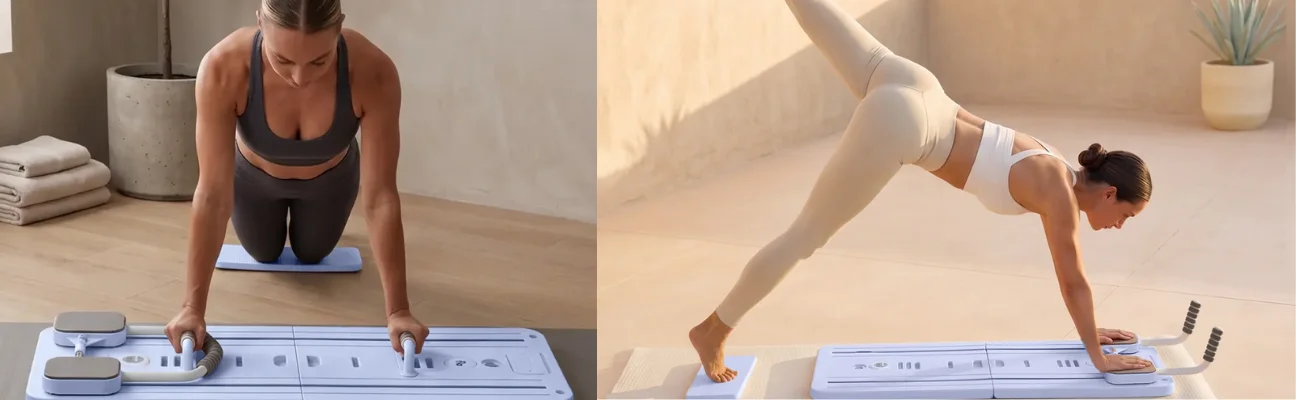
Portable Pilates Reformer Review for Easy Home Workouts
Finding the right workout equipment can be tricky when space, time, and comfort all matter. A portable pilates reformer offers a simple way to bring controlled Pilates exercises into your home routine without taking over your space.View -

Top Airsoft Guns You Must Have to Dominate Your Next Game
A solid airsoft setup starts with knowing what belongs in your arsenal. Whether you want a versatile primary, a compact option, or a dependable sidearm, there are plenty of ways to build your kit. These Airsoft guns from Desenfunda bring those options together in one lineup.View -
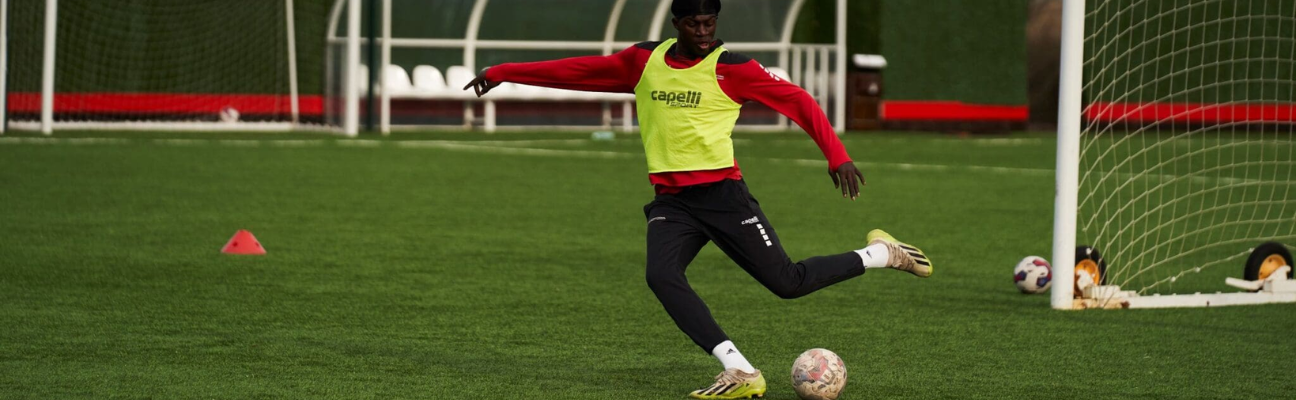
Common Mistakes Beginner Footballers Make
Starting football can be exciting, but many beginners make simple mistakes that affect their performance. Understanding these mistakes early can help you improve faster and play with more confidence.View -

Footwork Drills to Become Faster on a Tennis Court
Good footwork is what makes a real difference in tennis, but many players overlook it. If you want to move faster, reach the ball easily, and improve your game, learning simple footwork drills is a great place to start.View -
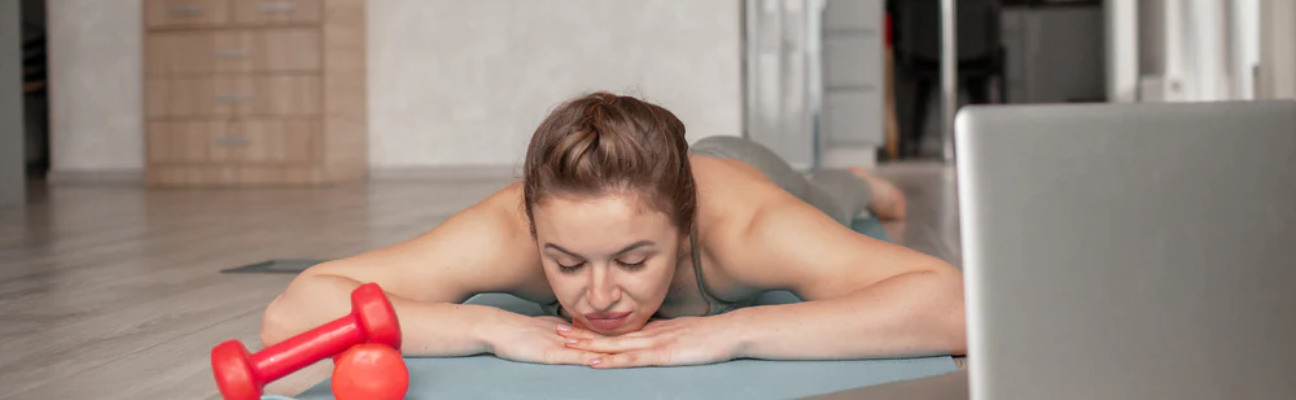
How to Start Working Out When You Have Zero Motivation
Starting a workout routine can feel really difficult when you have no motivation. It’s something many people struggle with, especially in the beginning. But the truth is, you don’t need strong motivation to get started; you just need a simple and easy approach that helps you take the first step.View -
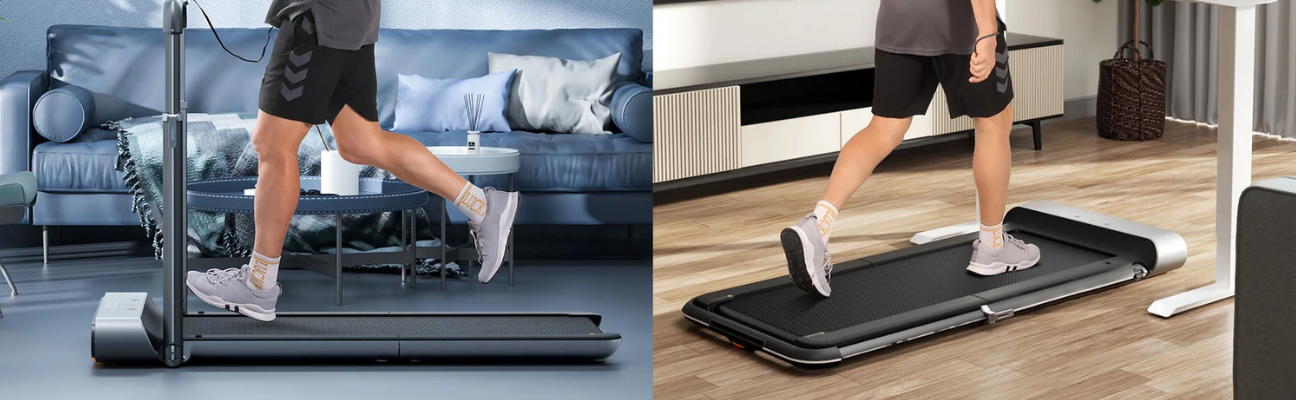
How a Foldable Treadmill Helps Reduce Stress in Remote Work Life
Remote work feels comfortable at first, but over time, sitting for long hours in front of a screen can quietly build stress in your body and affect your posture. The problem is not just work pressure…it’s the lack of movement throughout the day. A simple solution like adding light walking into your routine with a foldable treadmill can help bring balance back.View -
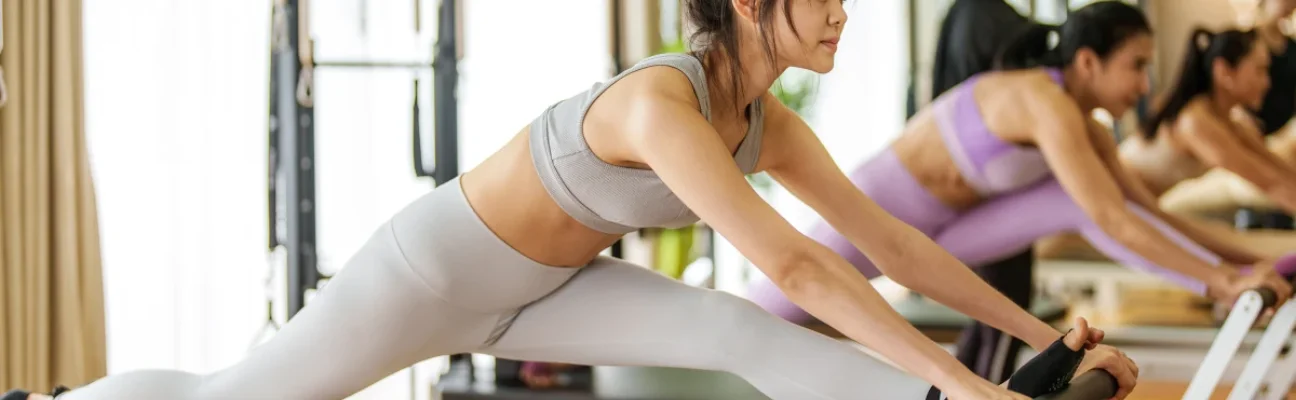
5 Ways a Pilates Reformer Can Change Your Body in 30 Days
The Janet Elite 2.0 Foldable Pilates Reformer is a simple home fitness tool that helps you practice Pilates without going to a studio. In this guide, we’ll look at what it is, how it works, and a basic daily routine you can follow to build strength, improve posture, and stay consistent with your workouts at home.View -
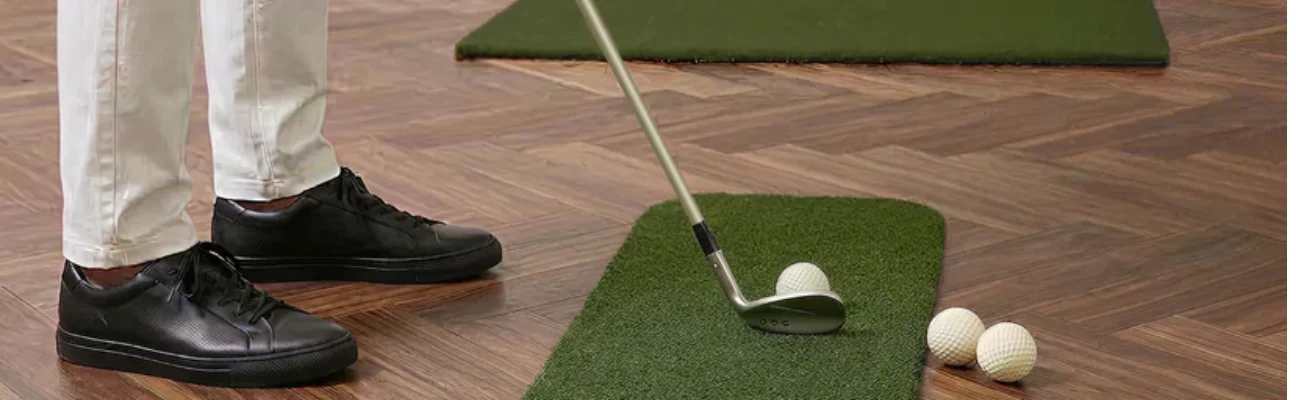
7 Benefits of PrimePutt True Green for Improving Golf Skills
Putting is one of the most important parts of golf, but it’s also where most players lose easy strokes. PrimePutt True Green gives golfers a simple way to practice at home, helping them improve accuracy, consistency, and confidence through regular and realistic putting practice.View